Uganda Safari 2026: The Complete Guide to Planning Your Trip.
August 27, 2026 • By Green Canopy Adventures
Uganda Safari 2027: The Complete Guide to Planning Your Trip.
Uganda is one of Africa’s most rewarding safari destinations, offering an extraordinary combination of savannah wildlife, tropical forests, mountain landscapes, primates, lakes and rivers. Often called the Pearl of Africa, Uganda gives travellers the opportunity to experience classic game drives alongside some of Africa’s most memorable wildlife encounters, including gorilla trekking and chimpanzee tracking. In 2026, Uganda continues to welcome travellers across its national parks and tourism destinations, with the Uganda Tourism Board highlighting the country’s diverse wildlife, adventure and cultural experiences.
For travellers planning a Uganda safari in 2026, the biggest attraction is the country's incredible variety. A single trip can take you from the open savannahs of Queen Elizabeth National Park or Murchison Falls National Park into the ancient forests of Bwindi or Kibale. Uganda Wildlife Authority currently manages 10 national parks, including Bwindi Impenetrable, Mgahinga Gorilla, Kibale, Queen Elizabeth, Murchison Falls, Kidepo Valley, Lake Mburo, Semuliki, Mount Elgon and Rwenzori Mountains National Parks.
Why Choose Uganda for a Safari in 2026?
Uganda is particularly appealing to travellers who want more than a traditional Big Five safari. Its landscapes change dramatically as you travel across the country, creating opportunities for wildlife viewing, primate encounters, birdwatching, hiking, cultural experiences and adventure activities within one destination. Uganda is also home to more than half of the world's remaining mountain gorillas, making it one of the world's premier destinations for gorilla trekking.
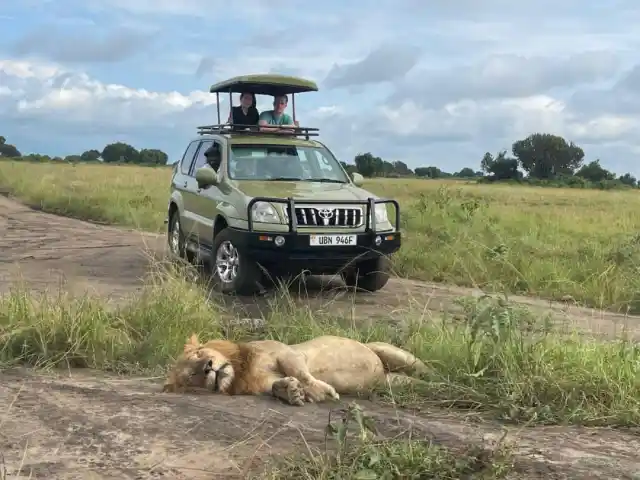
Another advantage is the opportunity to combine different experiences in one itinerary. You might begin with a game drive searching for lions, elephants and buffalo, continue to Kibale for chimpanzee tracking, and then travel south toward Bwindi for a mountain gorilla experience. This combination makes a Uganda safari particularly attractive for travellers looking for a varied and immersive African adventure.
The Best National Parks for a Uganda Safari.
Murchison Falls National Park is an excellent choice for travellers who want dramatic scenery and classic wildlife viewing. The park is famous for the powerful Murchison Falls, where the Nile is forced through a narrow gorge, as well as game drives and boat experiences along the river. It is one of the destinations that can form the foundation of a northern Uganda safari.
Queen Elizabeth National Park is another popular choice, offering a remarkable mixture of savannah, wetlands, crater landscapes and lakes. Wildlife experiences can include elephants, buffalo, lions, Uganda kob and other species, while the Ishasha sector in the southern part of the park is famous for its tree-climbing lions.
Kibale National Park is the destination to consider if primates are high on your list. It is particularly famous for chimpanzee tracking and is one of Uganda's leading destinations for experiencing our closest living relatives in their natural forest environment. UWA identifies Kibale as one of Uganda's key chimpanzee destinations, with almost 1,500 chimpanzees found in the park according to its current information.
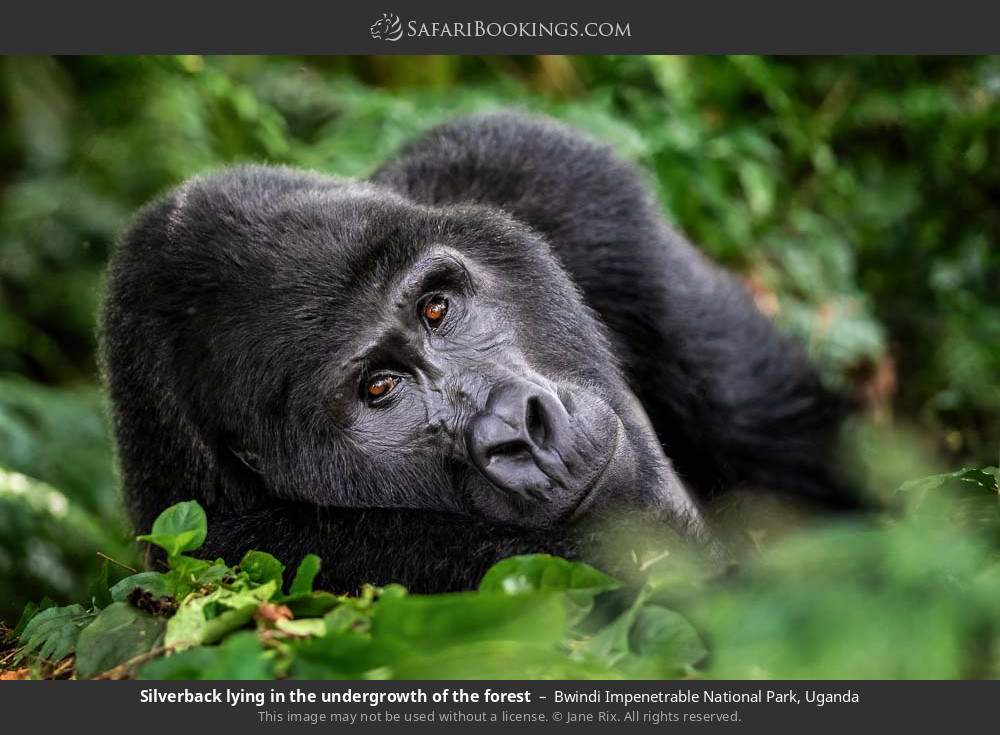
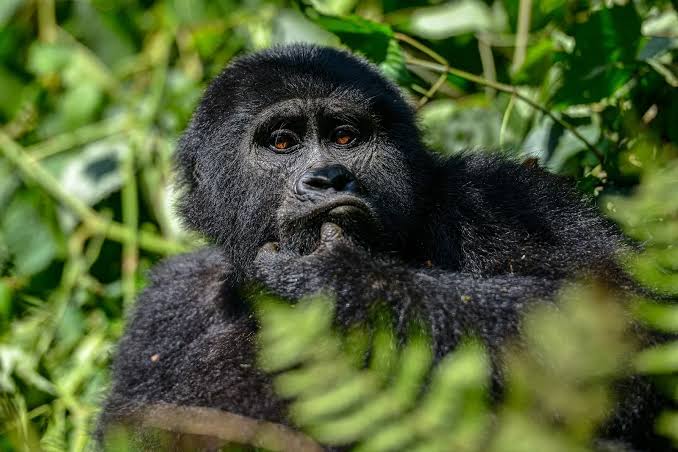
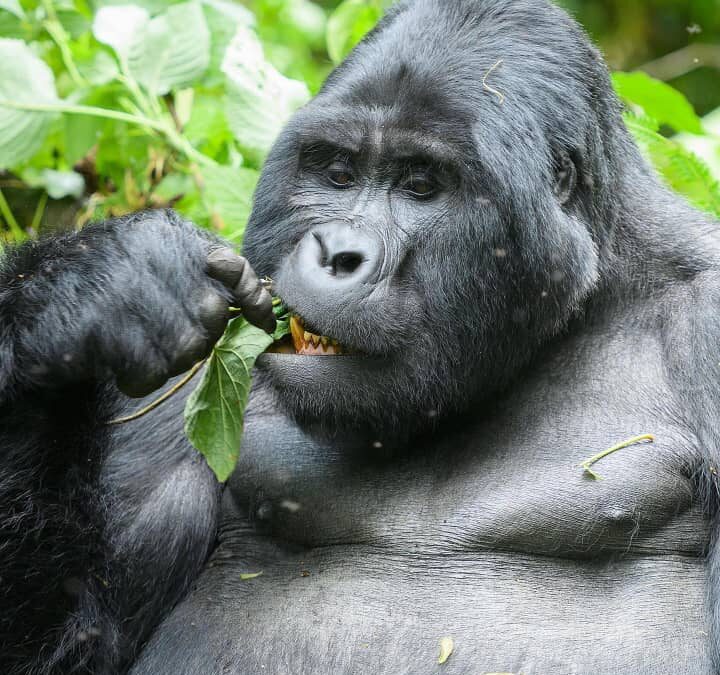
Bwindi Impenetrable National Park is the centrepiece of many Uganda safari itineraries because of its mountain gorilla trekking experience. The ancient forest provides an extraordinary setting for meeting habituated gorilla families, while the surrounding communities and landscapes add another dimension to the journey.
Kidepo Valley National Park offers something very different. Located in northeastern Uganda, it provides a remote wilderness experience with expansive landscapes and a strong sense of adventure. For travellers who want to get away from the more established safari routes, Kidepo can be an exceptional addition to a Uganda itinerary.
Lake Mburo National Park is a convenient option for shorter safaris and itineraries travelling between Kampala or Entebbe and southwestern Uganda. Its landscapes and wildlife make it an excellent stopover and safari destination, particularly for travellers with limited time.
Gorilla Trekking in Uganda.
For many international visitors, gorilla trekking is the highlight of a Uganda safari. The experience involves hiking through the forest with trained trackers and guides before spending time observing a habituated gorilla family. It is an experience that combines wildlife, adventure and conservation in a uniquely personal way.
Gorilla trekking requires advance planning because permits and trekking arrangements need to be organized before your trip. Travellers should also be prepared for changing forest conditions and potentially challenging terrain. A reasonable level of fitness is helpful, although the difficulty of a trek can vary considerably depending on where the gorilla family is located.
A responsible safari operator can help arrange the necessary permits, transportation, accommodation and guides while ensuring that the itinerary fits your interests and physical abilities.
Chimpanzee Tracking and Other Primate Experiences.
Uganda's safari experience extends well beyond gorillas. Kibale Forest is especially well known for chimpanzee tracking, while other forests and protected areas provide opportunities to encounter different monkey species and other forest wildlife.
For travellers interested in primates, combining chimpanzee tracking in Kibale with gorilla trekking in Bwindi creates one of the most memorable wildlife itineraries in East Africa. It also provides an opportunity to experience two very different forest ecosystems.
When Is the Best Time to Visit Uganda?
Uganda can be visited throughout much of the year, but the best period depends on the experiences you want. Many travellers prefer the drier periods because roads and walking trails can be easier to navigate and wildlife may be easier to spot around water sources.
The wetter periods can also be rewarding. Landscapes become exceptionally green, birdlife can be spectacular, and forests can feel particularly atmospheric. Travellers who are comfortable with occasional rain may find these seasons attractive, particularly when combining wildlife viewing with forest experiences.
Rather than choosing your travel dates based only on a general "best time," it is better to consider the activities you want to do, the parks you want to visit and your preferred travel style.
How Long Should a Uganda Safari Be?
The ideal length depends on how much of Uganda you want to experience. A short safari can focus on one or two destinations, while a longer trip allows you to combine savannah wildlife with primate experiences.
A seven-day itinerary can provide a strong introduction to Uganda, particularly if it combines a wildlife destination with Kibale or Bwindi. A 10- to 14-day journey gives travellers more time to explore different regions without making every day a long transfer.
For travellers combining gorilla trekking with several national parks, allowing extra time is worthwhile. Uganda's attractions are spread across the country, and the journey between destinations is part of the experience.
What Does a Uganda Safari Cost in 2026?
The cost of a Uganda safari varies significantly depending on the number of travellers, accommodation standard, length of the trip, transportation, activities and whether gorilla or chimpanzee permits are included.
Budget safaris can use simpler accommodation and shared transportation, while mid-range and luxury itineraries can include private vehicles, high-end lodges and more personalized services. Gorilla trekking can also have a significant impact on the total cost of a trip because permits and associated arrangements need to be included.
Rather than choosing a safari based only on the lowest price, compare what is included in the package. Transportation, accommodation, meals, park fees, activities, permits, guide services and airport transfers can all affect the final cost.
What Should You Pack for a Uganda Safari?
Pack lightweight, comfortable clothing suitable for warm days and cooler mornings and evenings. Neutral colours are practical for wildlife viewing, while comfortable walking shoes are essential if you plan to trek in the forests.
For gorilla trekking and chimpanzee tracking, consider packing waterproof hiking shoes, long trousers, a lightweight rain jacket, insect repellent, a small backpack, reusable water bottle and gloves for handling vegetation during forest walks.
A camera with spare batteries or a reliable power bank is also useful. Binoculars can greatly improve the wildlife-viewing experience, particularly for birdwatching and spotting animals at a distance.
How to Travel Responsibly in Uganda.
A good safari should benefit both wildlife and local communities. Choose responsible tourism operators, respect park regulations and follow the instructions of guides and rangers. Never attempt to approach or feed wildlife, and avoid leaving waste in protected areas.
Travellers can also support local communities by purchasing locally made crafts, using community-run experiences where appropriate and choosing accommodation and operators that demonstrate a genuine commitment to conservation and local employment.
Uganda Wildlife Authority emphasizes community participation and sustainable wildlife management as part of its conservation mission, making responsible tourism an important part of the country's long-term wildlife future.
Why Travel with Green Canopy Adventures?
Planning a Uganda safari can involve coordinating accommodation, park visits, transportation, activities and permits, especially when your itinerary includes several regions. Green Canopy Adventures can help travellers turn these individual components into a carefully planned Uganda safari experience.
Whether your priority is gorilla trekking, chimpanzee tracking, classic game drives, birdwatching, cultural experiences or a combination of several activities, Green Canopy Adventures can help create an itinerary around your interests, available time and preferred style of travel.
The advantage of working with a local safari specialist is having someone who understands the practical realities of travelling between Uganda's different destinations. From choosing the right parks to arranging accommodation and planning realistic travel times, good local planning can make the difference between a rushed trip and a memorable safari.
When choosing a safari company, travellers should also verify licensing and credentials. The Uganda Tourism Board maintains a public directory of licensed tour companies, providing an important resource for visitors researching safari operators.
A Sample Uganda Safari Itinerary for 2026
A well-balanced itinerary could begin in Entebbe before travelling toward Murchison Falls National Park for wildlife viewing and the dramatic Nile landscape. From there, the journey could continue toward Kibale for chimpanzee tracking before heading south toward Queen Elizabeth National Park for game drives and the famous landscapes of western Uganda.
The final stage could take you toward Bwindi Impenetrable National Park for gorilla trekking. After the trek, travellers can return toward Entebbe or extend their trip with additional cultural, wildlife or adventure experiences.
This is only one example. The best itinerary depends on your arrival and departure points, available time, interests and budget.
Final Thoughts
A Uganda safari in 2026 offers the chance to experience an extraordinary variety of landscapes and wildlife within one country. From the savannahs of Murchison Falls and Queen Elizabeth to the forests of Kibale and Bwindi, Uganda provides a safari experience that goes far beyond traditional game drives.
For travellers seeking gorillas, chimpanzees, big-game viewing, birdlife, adventure and meaningful encounters with local communities, Uganda deserves a place near the top of the African safari list.
With careful planning and the right local partner, your journey can become more than a holiday. It can be an opportunity to explore the Pearl of Africa while contributing to the conservation of its wildlife and the communities that live alongside it.
Green Canopy Adventures can help you plan that journey, creating a Uganda safari around the experiences you most want to remember.
Before travelling, always check the latest information from official Ugandan tourism and wildlife authorities, since permits, regulations, entry requirements and operational conditions can change. Uganda Tourism Board currently directs visitors to its official channels for timely tourism updates, while Uganda Wildlife Authority provides information on protected areas and wildlife activities.